Aerial view of restored Pacific Northwest farmland bordered by mature forest and open green pasture.
A forested stream corridor winding through protected woodland habitat.
Open meadow and wetland edged by trees under a wide Washington sky.
Rolling green countryside with woodland and restored natural habitat.

Land restoration · Washington State

Dudmaston LLC restores damaged land for use as homes for People and Wildlife.

By developing a small fraction of each property, we fund the permanent protection of the rest — turning damaged land into both family homes and wildlife habitat.

Habitat cleanup

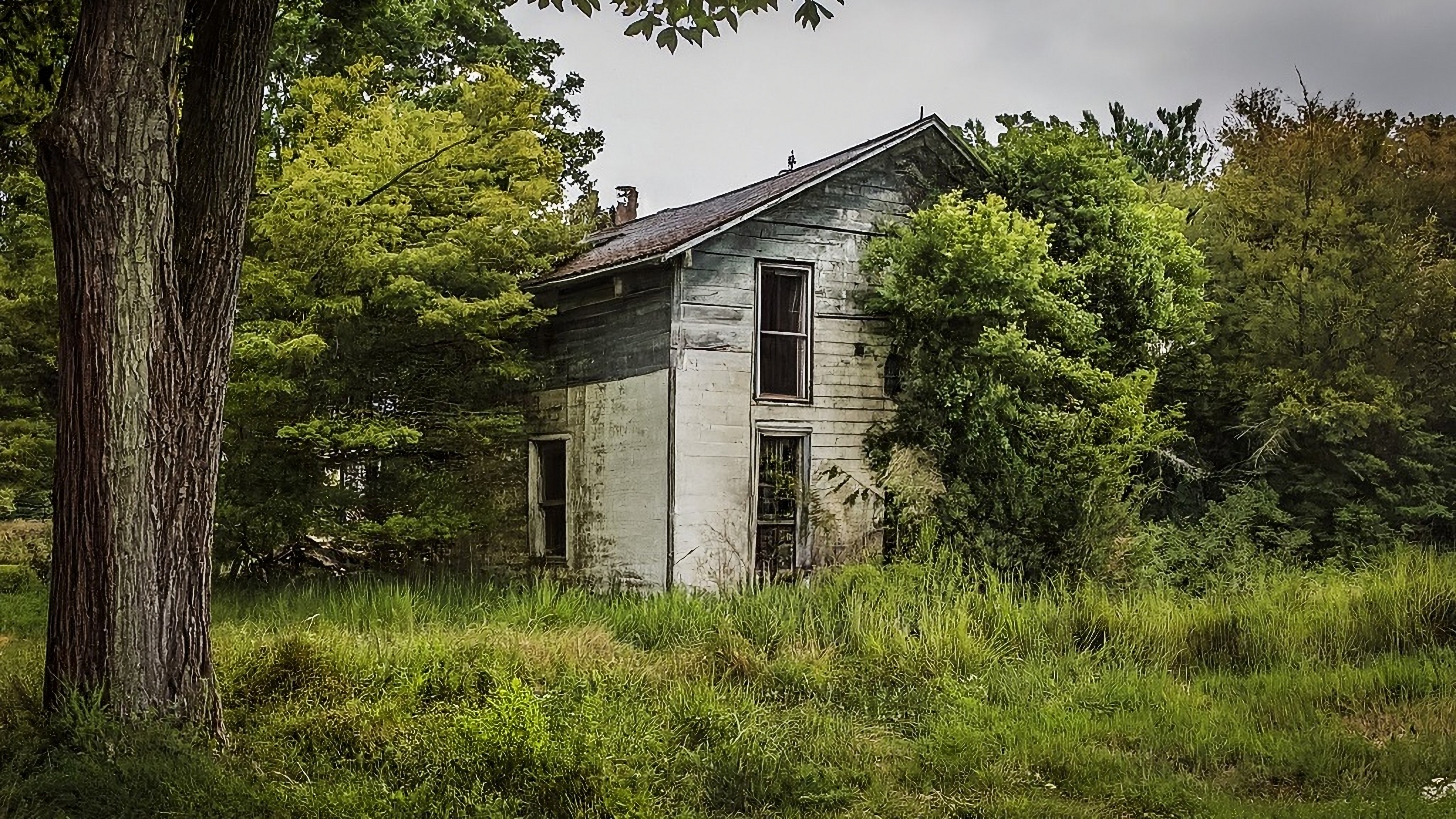
We begin by removing garbage, waste, pollutants, old vehicles. We dismantle any derelict buildings and recycle/reuse the materials.

Maximizing housing

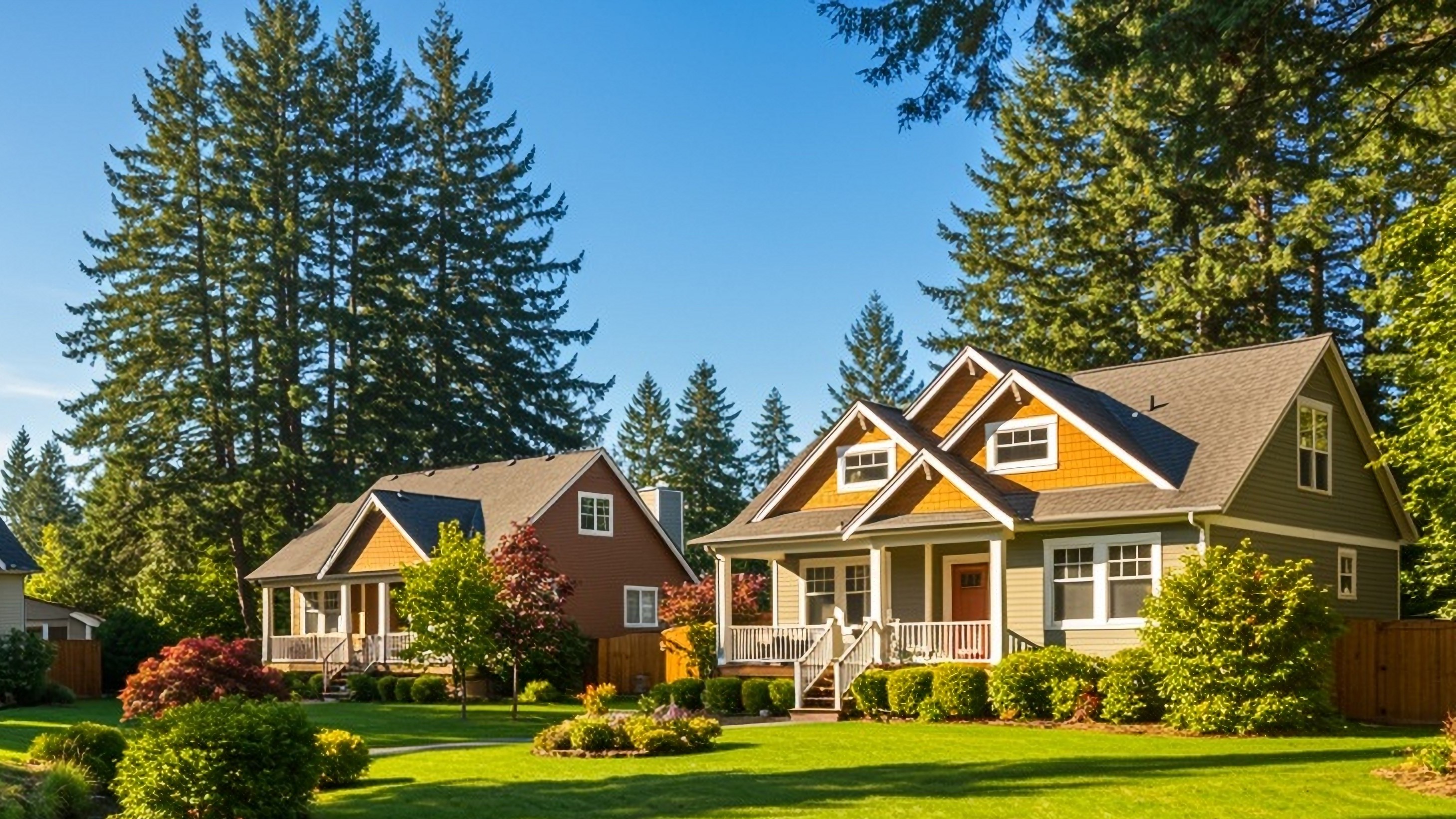
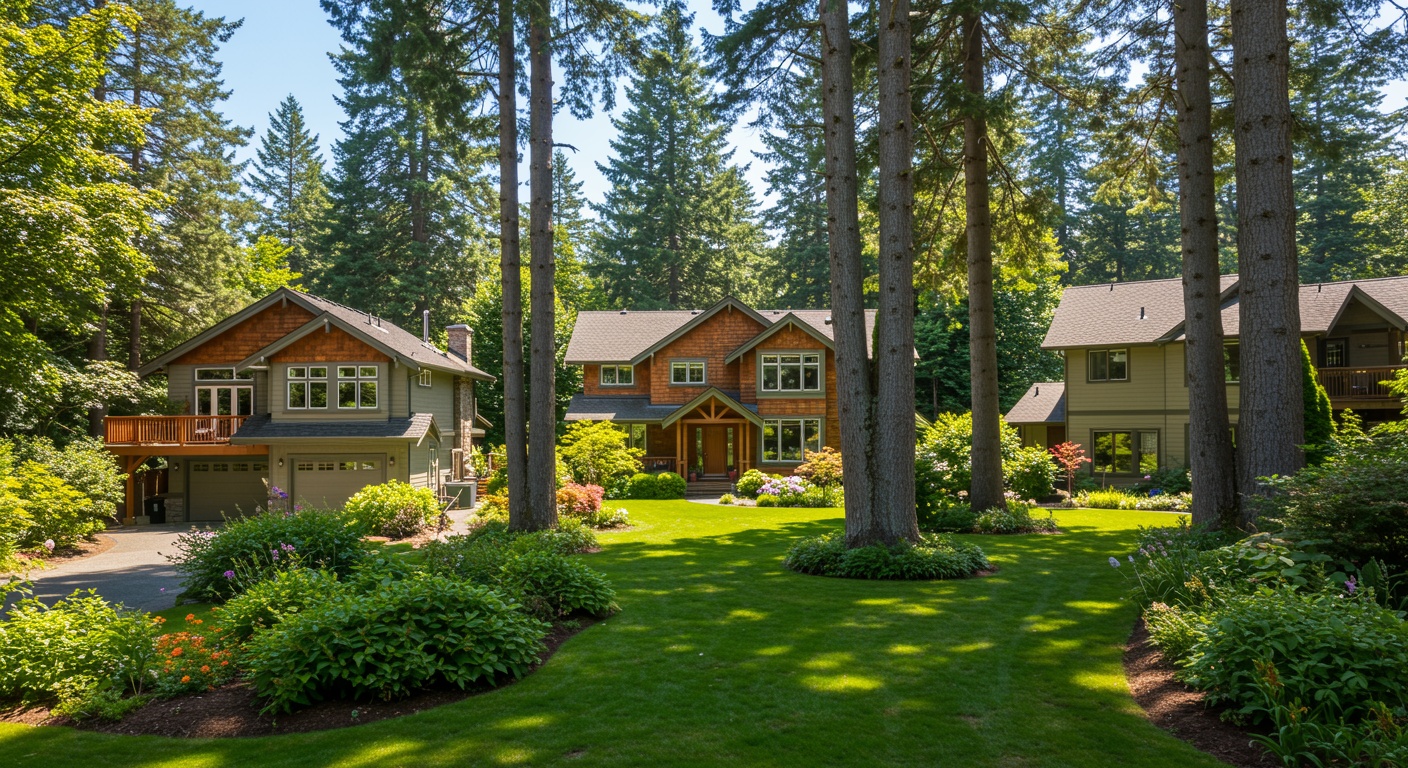
We evaluate existing houses and where practical restore them for use as starter homes. We use any remaining development rights to construct additional family homes clustered close to existing infrastructure.

Ecological uplift

We enhance natural habitats to create better homes for wildlife beginning by replacing any fish barrier culverts and planting thousands of trees to lower stream temperatures and sequester carbon.

Maximizing community value

We evaluate the balance of the land and allocate it for farming or forestry, or we plant more habitat to generate wetlands mitigation credits which can be used to offset impacts in high density urban areas where it is most practical to build affordable housing.

Two active projects show the model in practice — each one adding homes while permanently protecting the land around them.

Project Longford

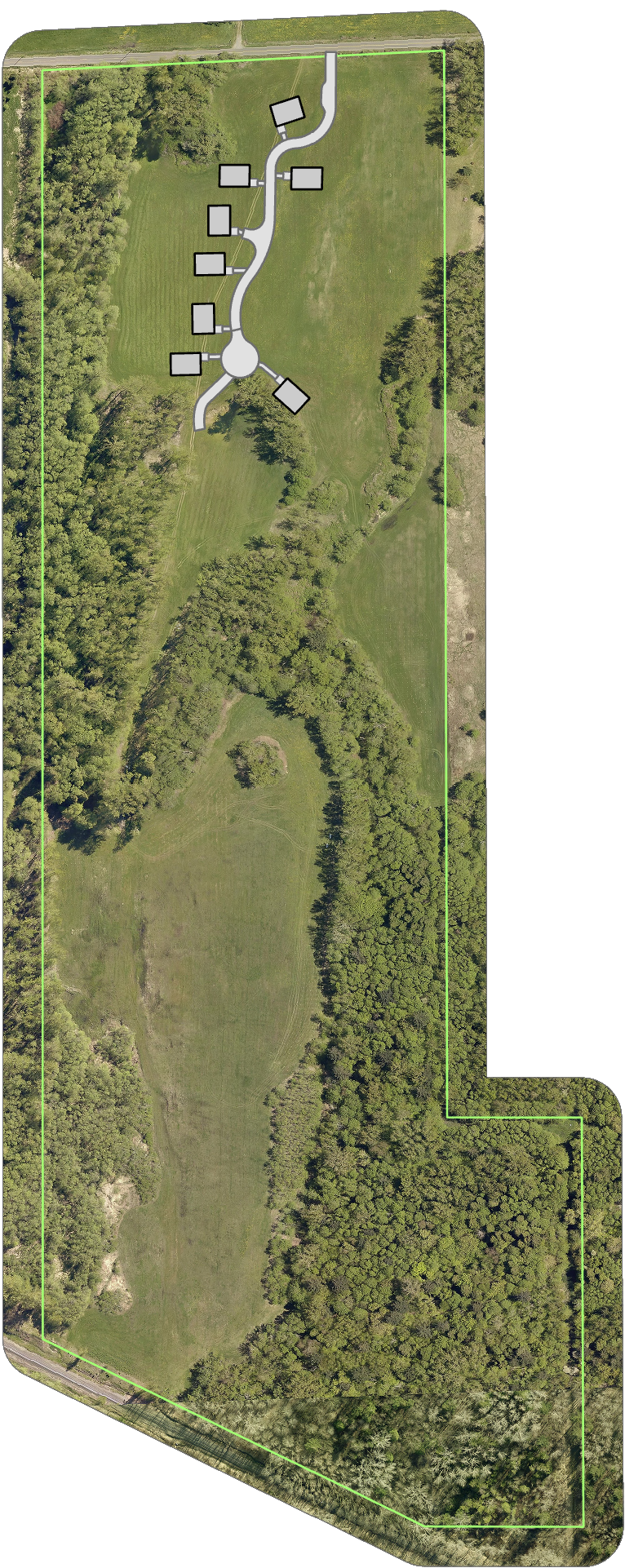
  • 8 homes (3 starter + 5 family)
  • 34 acres protected forever
  • 30,000 trees & shrubs planted
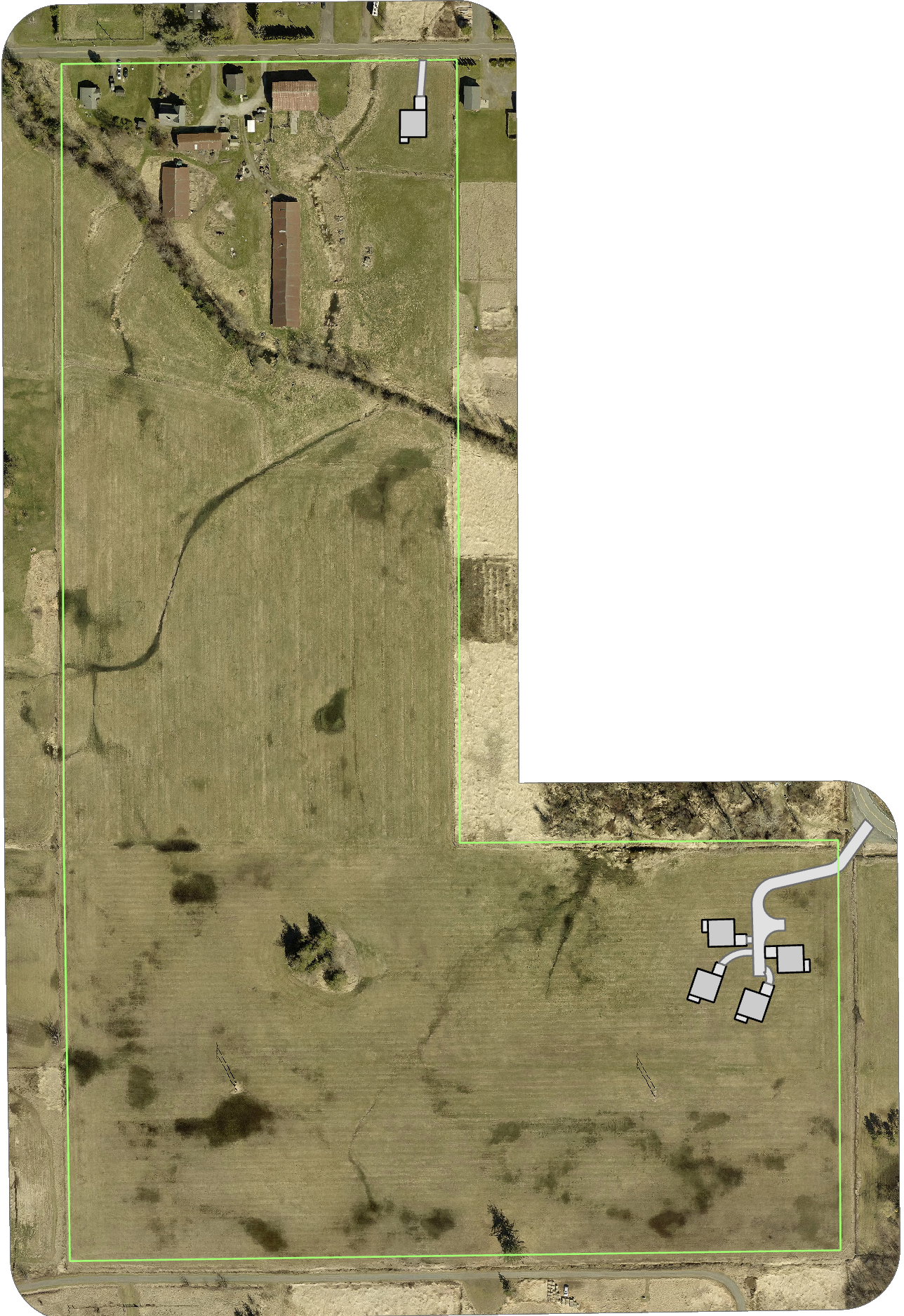
Aerial site plan of Project Longford: a 40-acre farm with 8 clustered homes on the north end and roughly 34 acres of protected open space, woodland, and salmon-stream habitat.

Longford = More housing

Phase One plans to place the 3 existing homes on separate titles to create starter homes for young families, providing opportunities for building equity and easing the entry into the housing market. An additional 5 new homes will accommodate multi-generational families, allowing grandparents to age in place while offering childcare. All homes will be closely clustered to minimize development impacts. The proposed mitigation measures for the minor development impacts will exceed legal requirements, resulting in better wildlife habitat.

Longford = More habitat

Phase Two involves planting 30,000 native trees and shrubs over 32 acres to create additional wildlife habitat. This project will expand the habitat corridor near the southeast corner of the property. Silver Creek, a fish-bearing stream, has little to no flow in summer. Our plan to restore historical wetlands next to Silver Creek would improve instream flows by removing nearby derelict buildings, creating a rich wildlife habitat sustained by winter floodwaters, with no cost to County residents.

Project Devernon

  • 8 new family homes
  • 80 acres protected forever
  • 10,000 trees & shrubs planted
Aerial site plan of Project Devernon: an 85-acre former sand mine with 8 family homes clustered on high ground near the county road, away from wetlands, and roughly 80 acres of protected habitat including restored stream buffers.

DEVERNON = More housing

Project Devernon will develop 8 new family homes, using less than 5% of the property. To minimize development impacts the homes will be situated close to the county road, on the high ground well away from wetlands on both sides. The design, developed after years of study and planning successfully avoids impacting all environmentally sensitive areas.

DEVERNON = More habitat

We have steadily enhanced the property for net environmental gain by removing garbage and abandoned vehicles and replacing a fish barrier culvert with a bridge. Within months following the bridge’s completion, fish were found spawning over a mile upstream. Additionally, we have already planted 7,500 native trees and shrubs on about 15 acres to create wide stream buffers and improve creek water quality, and are scheduled to plant an additional 2,500.

Our Mission and the GMA

For planners and officials: how each project advances Washington State's land-use goals.

The Washington State Growth Management Act (GMA) governs all land use in WA. Land is a valuable and limited resource, and we are working hard to balance the many varied land use goals of the GMA.

GMA Goal (1) Urban growth. “Encourage development in urban areas where adequate public facilities and services exist or can be provided in an efficient manner.”

The majority of remaining land designated for urban expansion remains undeveloped either due to a lack of drinking water, sewage infrastructure, or environmental restrictions. Our preference and primary focus is to redevelop moderate density damaged land with access to public water and appropriate septic soils. Full mitigation for any environmental impacts that meets or exceed local, state and federal requirements is performed onsite. Surplus environmental mitigation credits generated on these parcels are then applied to meet the permitting requirements to allow high density development in areas designated for urban expansion (Cities and Urban Growth Areas).

GMA Goal (2) seeks to reduce sprawl.
“Reduce the inappropriate conversion of undeveloped land into sprawling, low-density development.”

Our goal is to tightly cluster all new development on the smallest lots permitted close to pre-existing human impacts and infrastructure.

GMA Goal (4) promotes building more Housing.
“Encourage the availability of affordable housing to all economic segments of the population of this state, promote a variety of residential densities and housing types, and encourage preservation of existing housing stock.”

Our goal is to minimize housing costs by preserving existing homes whenever possible and optimizing the utilization of available zoning to allow for new housing to be constructed. Then planting wildlife habitat to generate credits to allow more affordable housing to be constructed in high-density zoned areas within cities, where mitigation is required before construction can occur.

GMA Goal (8) supports Natural resource industries.
“Maintain and enhance natural resource-based industries, including productive timber, agricultural, and fisheries industries. Encourage the conservation of productive forestlands and productive agricultural lands, and discourage incompatible uses.”

Our goal is to analyze each property and determine the most appropriate areas for farming, forestry, or fish and wildlife habitat. We then enhance these areas to increase productivity and achieve an overall environmental gain.

GMA Goal (9) promotes Open space and recreation.
“Retain open space, enhance recreational opportunities, conserve fish and wildlife habitat, increase access to natural resource lands and water, and develop parks and recreation facilities.”

Our goal is to retain 90% or more of each property for open space. Where appropriate we seek to include recreational access to open space on the properties.

GMA Goal (10) seeks Environment protections.
“Protect the environment and enhance the state’s high quality of life, including air and water quality, and the availability of water.”

Our goal is to immediately improve air and water quality by removing any waste or pollutants left by previous owners. We eliminate fish barrier culverts, and plant shade vegetation to lower water temperatures in streams and increase the food supply for fish.

GMA Goal (14) Climate change and resiliency.
“Ensure that comprehensive plans, development regulations, and regional policies, plans, and strategies under RCW 36.70A.210 and chapter 47.80 RCW adapt to and mitigate the effects of a changing climate; support reductions in greenhouse gas emissions and per capita vehicle miles traveled; prepare for climate impact scenarios; foster resiliency to climate impacts and natural hazards; protect and enhance environmental, economic, and human health and safety; and advance environmental justice.”

Our goal is help mitigate the impacts of climate change and enhance climate resilience by planting thousands of trees to contribute to increased instream flows, reduce water temperatures, and sequester carbon from the atmosphere. Additionally, our homesites are strategically located above flood zones and other hazard areas and where practical are orientated to optimize solar energy utilization.
About

Dudmaston LLC logo: two cupped hands holding a house, symbolizing homes for people and wildlife.

Dudmaston LLC restores damaged land in Washington State, creating family homes while permanently protecting the surrounding habitat.

Dudmaston LLC was founded by Rud Browne in 2014 with the belief that homes for people and wildlife are equally important. We love our natural environment; it feeds our soul and drives one of our long-term objectives to enhance and protect 1,000 acres of open space in perpetuity. At the same time, owning a house has become an unrealistic dream for most young families all across America and we feel equally obligated to also do our part to help solve this problem.

We finance our environmental preservation projects by allocating a small portion of each parcel for the development of clustered, energy-efficient single-family homesites in the least sensitive areas of the properties. Any impacts are mitigated by enhancing more valuable habitats at ratios greater than those required, and the remaining 75% to 95% of the property is permanently dedicated to farmland, forestry, and wildlife habitat.

Rud Browne is a proven environmental entrepreneur. He started with recycling scrap metal at 10 years old. At 30 Rud started The Ryzex Group, the world’s first mobile technology reuse and recycling company building it to $75 million in annual revenues and employing 360 people in five countries. Rud promoted the recycling ethic to the point that the Ryzex’ Bellingham facility (with 160 personnel) was able to eliminate ALL waste. With the initial funding provided by Rud and the lessons learned this became the foundation of the popular local program called Towards Zero Waste, which has resulted in over 300 organizations reducing their waste by at least 50%.

Under Rud’s leadership, Ryzex received numerous awards, including “Best Places to Work,” the “Green Business of the Year” and was recognized nationally by Inc. Magazine as one of top two “Green businesses in the USA“. In 2013 Rud was elected to the Whatcom County Council where he served two terms, the last two as Chair. In 2004 Rud was recognized as the Whatcom County Businessperson of the Year and in 2007 as a winner of the Ernst & Young Entrepreneur of the Year Award.

Rud has also served in a number of other roles, including VP Ethics for the Entrepreneurs Organization, as a board member for the Northwest Economic Council, the US Bank of WA Advisory Board, the WWU College of Business and Economics Advisory Board, the Whatcom County Ethics Commission, the Whatcom Community Foundation, and the Young Presidents Organization, Pacific Northwest chapter (as Chair). He has also served as Aircrew for the US Coast Guard Auxiliary flying pollution surveillance missions.

Homes for people and homes for wildlife — equally important.

See how our projects work, watch the story, or get in touch to learn more.

Contact

Contact us via .